Creative Writing: Poetry & Prose

Standard

PART I – A brief look at poetic forms, styles, sound patterns, and language.

I would suggest learning forms and styles – even if you don’t think you are going to use them in the end. That adage of learning the backbone of things (the rules that others have used) and then discarding them (or breaking them) tends to apply. You tend to become good enough to work without them by growing from and through them and then going beyond, rather than just by ignoring them from the very start. Most babies still learn to crawl before they can walk, and apparently the movement involved in crawling helps to develop certain parts of the brain properly. It’s often only by first trying out various styles (mimicking other voices) that we can then find our own unique and thus truly authentic voice. Again, the growing child gives us a good analogy – children learn to talk first by copying others, before they can begin to develop their own conversational characteristics.

Even so, when it comes to rhyme and language, it is best to try to avoid using obvious clichéd chiming rhymes and archaic language as soon as possible – unless you are trying to be funny, or writing purely for the entertainment of your granny. If you want to get published anywhere that matters then you need to acknowledge that that has been done to death centuries ago, and try to find something that sounds a bit more modern and unique. Twisting your syntax unnaturally to try to force a rhyme has a doubly displeasing effect. You can choose to use rhymes internally instead of at the ends of lines, or even not at all.There is a huge variety of beautiful words available to us, and although there is a deep history of writers, we can still easily find soft rhyming patterns, cadences, and words that sing to us in a special way when we take the time to use them skilfully. It is always better to take the time to seek out the exact words for what you mean to express rather than to make do with second best. Even in prose writing, getting the syntax and individual words just right is very important.

In Part 2 I will look at some other things that help in developing good writing skills and avoiding some of the pitfalls. Including a mention of how some other forms of writing differ from poetry.

PART II

Taking a look at some other things that help in developing good writing skills and avoiding some of the pitfalls. (Including a swift mention of how some other forms of writing differ from poetry.)

Read widely to discover how others have succeeded before you. Try to ensure that you include material from poets of both past and present ages, and from as many countries as possible, as just focusing on one or two areas is very limiting. I am eternally grateful to several wonderful translators (particularly Robert Bly) who have dedicated huge amounts of time and effort to bringing us the works of some of these in English. (I have also had the privilege of listening to Robert’s readings of some of these on tape, where he so exquisitely enthuses about the details, and am very sorry to have missed the opportunity of interviewing him for my magazine “Rustic Rub” which I was then editing.)

Some of my favourite poets are : as a child – RL Stevenson, TS Elliot, Ezra Pound, Roy Campbell, Guy Butler, GK Chesterton, Alfred Noyes, GM Hopkins, DH Lawrence, Robinson Jeffers, Blake, Shelley, Kipling, John Masefield, Robert Graves, Wilfred Owen, Tennyson, Robert Frost, Walt Whitman, Lawrence Ferlinghetti, Rex Warner, Judith Wright, and Ogden Nash, [plus other diverse influences such as Classical music, Irish folk music, Bob Dylan, Leonard Cohen, the Moody Blues, Santana, Pink Floyd.]

And later on – Federico Garcia Lorca, Pablo Neruda, Cesar Vallejo, Rumi (and many of the other Sufi writers), Robert Bly, Octavio Paz, Vasco Popa, Rabindranath Tagore, Miroslav Holub, Tomas Transtromer, Arthur Rimbaud, Theodore Roethke, John Berryman, Frank O’ Hara, Allen Ginsberg, Charles Bukowski, William Carlos Williams, Albert Huffstickler, ee cummings, Charles Madge, Roland Penrose, Dylan Thomas, Kenneth White, Jay Ramsay, Norman Jope, Ian Robinson, Lee Harwood, Bert Meyers, Rene Char, Jean Tardieu, Henri Michauz, and many many others from Europe, further East, and from the Americas as well as other places.

Many of my early ones were from a school collection in South Africa called “Two Roads” edited by KM Durham, and many of the later ones were from a collection called “The Rattle Bag” edited by Ted Hughes and Seamus Heaney (both of whom I heard reading their own work), or from collections from various countries, or of certain types of poetry. Others were from publishers, editors, or translators, all of whom made a particular effort to bring us work from further afield, for which I am most grateful. Some of these writers I have been lucky enough to meet and call friends. I have many other much loved books, but can’t mention them all! [A huge amount of music and art also played its part in my later growth, including the surrealist painters.]

I am also indebted to my friend Gary Boswell for his community publishing efforts and inspiration, and for his huge act of confidence in introducing me to working as a poet in schools, and even prisons. I would also like to thank Thom the World Poet for his huge energy and diversity and acts of kindness in many countries in the name of poetry and other art. He invited me to participate in festivals in Texas, and it is he who inspired me to found and organise the Yorkshire Rainbow Festival.

Curiosity about most things is one of my driving forces – I love to look at details of how things work, or of how things look, smell, taste, sound, behave. This is a source of much of my writing. So I might write about the folly of the government one minute, and the beauty of a flower in the next moment. I tend to use all my senses to explore the details of the flower, or of a situation, including its relation to everything around it, even if it is just in my imagination. It is good to be sensually aware in life to fully appreciate the details of movement when you dance, or the tastes and textures of foods, for example.

Of course philosophically I know that my representation is just one view, and I am curious about your representation too. It is the huge variation of amazing things and circumstances in life, and of our experiences and interpretations of these, that informs our overall consciousness as human beings. It is part of a poet’s responsibility to try to get our expressions of our individual pictures as true and accurate as they can be. If all the tiny pieces of the jigsaw are cut carefully then we have more chance of creating a valid overall picture, and the responsibility of those in the arts is just as important as those in science in this respect. (Scientists of course have other responsibilities ideally, such as trying not to physically mess things up for us!)

It is often writers, musicians, and artists who lead the thought-field when it comes to a need for social change, because if they have done their job well, they have properly shown how things are, so that people can see if they are working okay or not. They have always considered both the details and the overall picture, and thought outside the boxes usually set up for us, not because they have dared to, but because they have to, that is what they are here for, it is inherent in their nature. Writers and other artists obtain courage and strength from the conviction of their own work, and that of others, so it is a perpetual cycle that propels them forwards, and this is often reflected in their use of language.

Surreal writing is a great way of intriguing our minds, and also one of the ways we can communicate things of great portent or meaningfulness without sounding didactic. By sort of hiding the message or meaning behind symbols that speak to our subconscious we can communicate things that would be rejected out of hand if they were approached too directly. Reading what other people have written in this style, will develop your sense of what is possible, and give you an ear for using language in this way. If you are able to tune in to, and go with the creative flow, trusting the things that get thrown up for inclusion, you will manage to write using this subconscious language. It can be surprising that you may only discover much later on just how well you have done – as more meaning continues to emerge from your own words layer by layer! It is one of the ways the so called ‘Duende’ can be invoked, but it can also come to life through vivid vitality in language.

Like tumbling horses backs as they gallop towards the beach, it is the sweat on their coats, the freedom of their movement, that counts more than who gets there first or what their names are.Our words are like raw stones and water in the pure stream of life. We say them and they leave us – yet we stay awash, like islands being perpetually eroded and built up. Our lives become sand as the water and rocks merge. Again, over time, the beaches pile up, and we lay down new rock, only to again be broken up – yet we remain, essentially an island – with those horses galloping across the land under a huge sky – with all of it, and the sea, permeating deep into our psyche – which ultimately blends with everything.Space and light always gets into the mix if you follow your real free mind’s eye, and allow it to express what is impressed upon and reflected meaningfully within you. Like a great artist, your portraits and landscapes glow like those sweating horses, reflecting the sky in their rolling eyes, leaping like the foam on the wave tops, frothing and seething with unmistakeable representations and interpretations of life.

It is part of being human that we can feel most whole when we accept the impermanence, the continual ebb and flow of life, the overall balance once we let go of trying to hold on to things.Let the drumming horses hooves, the earth, the wind, the singing white foam, make a place within your heart that you can always call home, no matter what else changes.May the spark of the Duende reveal colours glinting in the dark, so that you are never afraid, even if you are alone, to simply dance.May you never have issues with writers’ block – because writing gets inside your skin – the perpetual itch, the compulsion, to say what you mean, feel, dream, think, breathe.

I have a way of writing that I do naturally, but when asked to define it, gave it the term ‘Psychological Landscape’ poetry. This is rather like what I have been writing above, and I have found that I can successfully impart this ability to others when I do workshops, whether it be with adults or with children. There are many examples in my poetry collections – the two most obvious ones being still available are “Following Father” and “Terra Affirmative”. Following Father also contains some lighter work, about my travels, family, and other things, as well as some early political writings where I explore several forms and use humour to help get things across. Terra Affirmative is printed together in one cover with another collection called “Riding the Escalator” which is a bit whacky, and generally depicts the journey of becoming a more public poet.

There are other ways of avoiding or at least disguising didacticism – one of my friends, MC Jabber, is a performance poet who simply speaks so fast that you have to be intrigued enough to listen to his work several times to absorb what he is saying. Rappers can also use this tactic, and both effectively employ music and drama. He may show anger but this tends to be done in a cerebrally organic way, that again evades casual scrutiny. His delivery gives more of a sense of being musically informed rather than of using music to go along with the words. Every tiny sound or gap counts, so it is not just what he is saying that matters, but the pattern of it too, which gets into our heads in a different way to the way symbolism or surreality does, because of its intricacy.

I have also been rather successful with a series of my works termed ‘prose poetry’. I learnt about this from several of my fellow poets and editors, (including Ian Robinson and Albert Huffstickler), some of whom were exceedingly good at it, and yet it was still possible to develop a unique voice for this. Robert Bly wrote a brilliant article about prose poetry for an international journal funnily enough called “The Prose Poem”, and that was very helpful too. So, I write this style in prose paragraphs, but still using sound patterns and spacing and language in a musical and artistic way. This in itself makes it very definitely poetry rather than prose. The way I use it to express my deep reflections is also very different from most prose writing. I don’t discuss what’s, why’s, and wherefores, I simply show what I mean in a very unique way. It sometimes makes unusual connections or juxtapositions or shifts in topic matter, as you can also do in other styles of poetry, and it can sometimes also be surreal in the way it uses language. Yet I can achieve something different with it than I can in other forms of poetry – and that has to do with tone I think, which is enhanced by the kind of timing in my sound patterns that is only possible with the longer sentences. I can sound matter-of-fact, or detached, yet make revelations that perhaps seem more shocking or bizarre due to the tone used. Maybe the lack of drama makes them seem more real than if they were hyped up, or maybe it’s to do with showing how easily we accept unnatural things as supposed facts in our everyday lives, how easily they slide under our radar; but either way it is mostly the different tone that gives my prose poetry a different voice. So I conclude that I am able to handle a different sort of topic, as well as handle familiar subject matter differently – given the structure of paragraphs as my units instead of verses made up of lines. There are just a few of my prose poetry books left – COUNT, and SPAN.

Then of course you can get flowery prose, which is not poetry any more, but is prose written in a flowery or overly descriptive way. This can of course, still be very artistically appealing, and speaks to us in a different way to straight prose, which can become more and more formal as you go from story narrative to reporting narrative and from essays to articles and non-fiction books, and on to scientific papers and business reports.

Short stories can also be written in the sort of flat tone I use for my prose poetry, as sometimes the straight telling of the facts is more effective in itself than dressing them up, and maybe my prose poetry was influenced by some of the short story writers using this style (such as Raymond Carver and Andre Dubus – both introduced to me by a friend who is an excellent poet and short story writer himself – Daithidh MacEochaidh), yet my prose poetry is more definitely poetry due to the cadences and language used. (I was also impressed by the writing styles of Jane Smiley, particularly in her book “Ordinary Love”, and by the works of Paulo Coelho.) I think all these writers write in a straight but particularly tender way, that makes them stand out for me.

What I find quite interesting is that even in strictly formal writing you may very well encounter more fiction than truth – when we have subversively been led to believe that formal writing is more authoritative. In this day and age, with the internet, fortunately more people can see that this is certainly not necessarily true, and recognise that we have been misinformed and sometimes evenly deliberately misled about a lot of things. We are learning to do our own research, to include wider sources, and reach conclusions based on trusting our own innate wisdom, which is basically what poets, musicians, and artists have been doing all along

For a poet, even though he/she knows that his/her voice is only one voice amongst many different voices, it is imperative for his/her own integrity that he/she express his/her utmost personal truth. This does not mean that he/she can’t have fun and play around sometimes, which is essential for anyone to do in order to take a break from serious work and maintain one’s sanity, but people will know when he/she is playing and still recognise who he/she really is.

For story writing, whether long or short, I like to try to be authentic by getting inside the heads of my characters, and letting them speak as they feel, and do what they do – so I follow their actions rather than direct them, and the stories are told in their voices rather than mine. The setting, and even the plot develops as we go along, rather than me planning it out beforehand. Your characters have to remain very interesting otherwise you will get bored with the writing, but the same surely applies even if you have planned everything out beforehand as well. It can obviously work better for some people to plan things carefully, and there are graduations between the two sides of the coin, where you can plan partially perhaps, at least to help you avoid losing your sense of direction.

In stories of course you can still share important information about a topic and how you feel, with the storyline giving you yet another way of making this non-didactic. You can simply show your reader whatever you wish to show them by making the story an example, laid out with suitable settings, situations, and characters.

At the other end of the creative writing spectrum as far as length goes, Haiku are very tiny poems, but are very interesting examples to look at because of the hugeness of what is involved in writing good ones. They are also something I like to discuss, as they are often mis-taught, which I find a great pity. There are hordes of deformed things staggering about out there that people are calling haiku but very definitely are not Okay so what are they?

Well the one thing that people get right is that they only have 3 lines. Then they mostly say that the lines should be in syllables of 5, 7, and 5 again. This however, is only a maximum specification, so you can have less syllables if you like, although the balance should still be that the middle line has the most. One should use this minimalistic style to best effect by discarding any superfluous words such as ‘and’ and ‘the’ and conjunctions wherever possible, so they should not be normal sentences. They are often split into two phrases, maybe separated by a semi colon. Haiku should not be used to discuss mundane things or to tell us what you are doing or what your views are. They should be like tiny brush strokes depicting a natural scene – in fact they should contain what is called a ‘kareji’ word, which is a seasonal word, although it is much less obvious than just a word meaning a specific season, so it can be something like grass or water or a bird or the sun (all things that can change their characteristics with the seasons, or in fact even the time of day) – it doesn’t have to go so far as being brown or green or tall or short grass, or ice as opposed to a lake, as far as I can tell, although sometimes these distinctions might help with the next requirement. There is supposed to be a thoughtful juxtaposition between stillness and movement, so you could now use swaying grass against a still tree trunk, or a flying or hopping bird against the still ground or a tree, or ice on top of a slowly moving stream. This is where the use of that semi-colon comes in, to separate the two, and I observe that it is often the first two lines, separated from the third. There is supposed to be a kind of spiritual contemplation implied in, and thus obtained from, a good haiku.

Now I am going to take this a step further – because on reflection, I think there is even more to this. Putting our attention on Spiritual stillness can, just as in tantric sex, serve to both temporarily distract us from the urgency of movement, and at the same time intensify the senses when movement comes back into play. So haiku are like tiny meditations, where we get a sense of the steadfastness underneath all the activity, and can also appreciate that there is even moving energy within the still body, the hill, or the tree before we follow again the more obvious movement of the bird or the leaves blowing along in the wind. It kind of binds us to the earth and yet gives us a sense of freedom because we can actually choose when to be still and when to be busy. It also gives us a sense of the relationship between our chattering minds and the stillness and depths we could obtain through meditation, and maybe even asks us if all our rushing about really means anything much, and if so, what.

So you can see that a genuine haiku is a tiny glistening jewel that has been given much attention to polish it enough to reflect all that meaning for us!

In part 3 I will be taking contemplation further, showing that it, along with other lifestyle essentials, can help to maintain holistic health for even the most obsessed writers.

PART III

Taking contemplation further, showing that it, along with other lifestyle essentials, can help maintain holistic health for even the most obsessed writers.

Writers and artists tend to be prone to emotional roller-coaster rides due to the strength of their emotions and the compulsive, wide ranging interest in life’s nooks and crannies. They can be torn apart by despair or anger at some stupidity or injustice one moment, and then swelled with joy by the beauty of a bird song or the sight of the hills in the dawn light, or the smell of the sea. So it can be especially useful to use meditation to try to keep one’s self more grounded and balanced, to still the mind inbetween its flights and ravages. Meditation also helps to expand our consciousness, so that we can examine and express things even more deeply.

Writers and artists also tend to become so absorbed in their work that they lose all sense of time. They can easily forget to eat or sleep when they should, so after the galloping hours of being propped up by the adrenaline of their creative juices, they can suddenly become very tired. It is hard to try to discipline one’s self to live a less erratic lifestyle without losing something of that creative power. It goes rather hand-in-hand with the territory – you never want to stop in full flow! However, if you do try to focus, in some of your inbetween periods, on catching up on sleep, getting some exercise, and plenty of healthy food, then it obviously helps redress the balance. Even if our lifestyle is erratic, it can still be quite holistic – something I always advocate aiming for – good physical, mental, and spiritual health overall. If we can achieve this then we are as fit as we can be to face whatever tasks and purposes life hands us, or we choose to make for ourselves.

I always remember the remonstrations of one of my friends, David Caddy, who still edits “Tears in the Fence”, to “show rather than tell”, and this also brings to mind the advice of Ghandi to “Be the change you wish to see in the world”. So if you are a writer, always remember that you are taking on a responsibility with it, that grows as your writing spreads more widely. You are both being an example, and revealing the world to us through your perceptions. Although your voce is only one unique voice in a sea of many, yet you still have the power to influence more people through your words than you will personally meet. Taking care of yourself is part of that responsibility.

My books are available from my website http://www.radiance-solutions.co.uk/jwbooks.htm

Terra Affirmative & Riding the Escalotor

Following Father

COUNT

SPAN

TREES

XX

I wrote a prose poem to honour Robert Bly for the influence of his work on me, and it’s in my book SPAN.

xx

John Lennon – in the Collective Consciousness – Being Real

Standard

I suddenly started looking up John Lennon quotes on Goodreads the other day – which helped inspire me to write this article. I didn’t know then that it was the anniversary of his tragic death – I only found that out a day later when I started seeing posts on Facebook that made it obvious that a lot of my friends had also been looking him up and replaying his music. I don’t think it was just a co-incidence that I made that connection, I do think that his spirit is still very much with us in our attempts to find better ways of being at peace with ourselves, and living more in harmony with the planet.

As I co-administrate a Facebook open group called ‘Back to The Garden’ some of his quotes were particularly relevant – such as “I’m not really a career person; I’m a gardener, basically.” Also, “The thing the sixties did was to show us the possibilities and the responsibility that we all had. It wasn’t the answer. It just gave us a glimpse of the possibility.” Our group is already named ‘Back to The Garden’ because of the 60s song ‘Woodstock’ which says “We are stardust, we are golden, and we’ve got to get ourselves back to the garden”. Our aim is to share information to help us try to live sustainable lives by creating supportive local communities, and to participate in global meditation link-ups to help influence the collective consciousness towards achieving this. We also share creative inspiration to help express our ideas.

So, back to my original article – which basically shows why I think John Lennon is such a great example to us all – of how to truly be ourselves.

John Lennon was such a thoroughly REAL person. His quotes reflect all sides of human nature, from the sad and withdrawn, to the desperately painful, to the angry, to the loving and celebratory, and from the arrogant to the humble, as well as from the serious to the exuberant humour-filled sheer absolutes of expression. We all have many sides to our nature but we tend to try to pretend that we don’t, mostly because we are afraid to show some of it. Does society make us think that if we remain on a bland even-keel we are more agreeable to others? Surely we are more interesting if we share what we truly feel? It’s perfectly possible to be honest without being horrid. Why can’t we just accept all of it and be this real? Okay, we don’t all need to be huge public characters, but we can be quietly firm about who and how we choose to be.

Another quote of John Lennon’s which is staggeringly beautiful in its stark honesty is “When you’re drowning, you don’t think I would be incredibly pleased if someone would notice I’m drowning and come and rescue me. You just scream.”

If you are facing a period of ‘depression’, why not allow that to simply be for a while? I generally have 3 days of it every now and again. I learned from a very early age to manage it. You could say it was artistic temperament, but it isn’t just that – we all have natural cycles energetically and physically, which affect us emotionally, and I believe we are better off listening to these than trying to deny them. (Of course, you should look after yourself with good nutrition, exercise, and the right amount of sleep, because imbalance in these areas can exacerbate or oven trigger such periods.) I give myself permission to let it happen and actually explore it – I write or paint myself through it. I don’t do anything I don’t want to – I just live with it. Okay, so I don’t usually publish what I’ve written at such times – but I do learn from it – and I am well aware that I am processing emotion, dealing with it – not trying to suppress it. I know that after the 3 days it will go again because I have given it the space to play through. Often, I make positive changes in my life after these stages – so they are like transition phases. I seem to gather strength and insight from actually allowing them to really work through, and somehow grow from the experience. Perhaps by allowing the darker side its space, I then get recompense by gaining access to more of the light, because sometimes it is straight after one of these periods that I produce my best work. Maybe if we looked at it as if we are like snakes shedding skins so that we have room to grow some more, we could learn to process these phases naturally, we could all deal with them. Maybe they wouldn’t hang around then – we could trust ourselves to get through them – not let them overwhelm us, or leave us stuck half in half out – we could go into them fully and come out the other side. I think it is healthy to allow one’s self to honestly explore all sides of your nature, as that is probably the only way you can truly get to know and trust yourself. I think that is why I love John Lennon so much – he trusted himself to be real – and he told the truth.

Art of any form – music, writing, painting, are the most obvious ones, but there are many more, (and we don’t have to be ‘artistic’ to express ourselves, you could just write letters you may never post, or notes to yourself) – any of this helps us to truly face the world and explore it and the human psyche. We may begin with ambivalence, but we soon become fearless if we explore thoroughly enough. We become powerful in ourselves because we are learning to understand ourselves. We can’t ever really hope to understand everything around us, but we can learn to understand ourselves in relation to anything else. If we know what we stand for and how we feel about things – then that never changes no matter what else changes around you – you become like a rock, yet at the same time feel floatingly free. (Of course if you do learn from new information and experiences or learn to respond differently to situations, your outlook does evolve, but you are still the floating rock that is you growing as part of the conscious universe).

You know we need variety in life to make it interesting. There has to be variety to even enable us to exist as individuals. So you stop blocking it off – you accept your curiosity and begin to explore, and the more you do this, the more you tend to then celebrate and appreciate the variety. You also accept your vulnerability, yet at the same time feel incredibly strong because you have opened fully to life. Life feels magical – even in its madness and confusion – it is staggeringly intoxicating.

So let’s grasp the bull by the horns and dare to be real – you’ll be amazed how great it will feel…. Not to be sucked in any more, not be afraid any more. You will feel powerful, filled with energy, draw yourselves up, and take control of who you want to be.

Neale Donald Walsch said “You are all in the process of defining yourselves. Every act is an act of self definition.“

Ralph Waldo Emerson said “To be yourself in a world that is constantly trying to make you something else is the greatest accomplishment.”

And Shakespeare said “To thine own self be true, and it must follow, as the night the day, thou canst not then be false to any man.”

John Lennon also said “There are two basic motivating forces: fear and love. When we are afraid, we pull back from life. When we are in love, we open to all that life has to offer with passion, excitement, and acceptance. We need to learn to love ourselves first, in all our glory and our imperfections. If we cannot love ourselves, we cannot fully open to our ability to love others or our potential to create. Evolution and all hopes for a better world rest in the fearlessness and open-hearted vision of people who embrace life.”

But wait a minute, just as with Lennon (and many others) – those in power don’t want us to be real do they? They want us to go on consuming their goods (with poisons in them), and watching TV (with all the pap they’d like us to believe). They want us to feel powerless so that they can continue to lead us blindly into wars and other money making schemes, and so that we accept their laws and judgements, instead of questioning them or standing up for ourselves and our rights. If we are real then we become a threat to them, and they feel a need to deal with us – exactly, you got it – but now there are too many of us, and things are going to have to change. If we stop listening to them, if we stop using their systems, and simply walk away – that is all that is needed.

Then we will look after each other at community level – ensure we are can access healthy food, work together at projects that sustain us – not them – keep things local – it makes much more sense. Trade our skills, make things that last, that don’t waste raw materials and fuel, things that are truly useful – not junk to make profit out of others. We can take back everything they have been trying to take away from us completely, bit by bit, over centuries, sneakily.

Marianne Williamson said “Do you really not know what to do? Or do you just lack the courage to do it?”

Ghandi said “Be the change you wish to see in the world.”

Van Morrison said “You can’t stop us on the road to freedom, you can’t keep us ‘cause our eyes can see.”

And John Lennon said “You may say I’m a dreamer, but I’m not the only one. I hope some day you’ll join us, and the world will live as one.”

Another thing John Lennon taught us was never to be sucked into trying to fight those trying to exert power over us at their own game. He said “If you want peace, you won’t get it with violence.” And “There’s no separation. We’re all one. Give peace a chance, not shoot people for peace. All you need is love. I believe it. It’s damn hard, but I absolutely believe it.”

So don’t allow yourself to be diverted – firstly it infects you with their level of thinking, secondly it takes your power away. Save your power for doing the good stuff, dismiss the rest as insignificant. As long as you remain complete in who you want to be, you will keep your absolute power. The minute you slip into something else – you lose some of it to them. Don’t give it away, keep you power quietly to yourself, and you will always be free, they cannot defeat you. No matter what they do, your power remains yours – they do not get a jot of it. Look at how we remember the great people like John Lennon – that’s because they never lost anything at all. He has become untouchable, and yet we can all touch him and his dreams, and help make them as real as he believed they could be. He said “A dream you dream alone is only a dream, a dream you dream together is reality.” And “Peace is not something you wish for; It’s something you make, Something you do, Something you are…..”

More notes regarding depression.

Cognitive Dissonance might arise when you begin to realise there are things wrong in the world but can’t see the whole picture so your bits don’t fit or make sense, or you might be disappointed by the difference between your expectations and what has happened, or of people. As Lennon said “The more real you get the more unreal the world gets.”

So you need to re-adjust. Surely allowing ourselves the time to do this rather than try to fight it is actually healthy? Look closely at how you are feeling and thinking. Express how you feel through safe means – artistically, or by speaking to a friend, therapist, or to an inanimate object or imaginary person, or by writing letters or notes. Even ask rhetorical questions, or ask for what you want to happen – it helps you clarify things and you might even find answers. Recognise your autonomy – you can seek clarification in your understanding, or you can actually just choose to change the way you want to feel or do things. Medication obviously is useful in that it can give you the break to rest and steady yourself, before beginning to explore what is happening. If you view it as a tool to get back up a few steps, not as an excuse to just lie down at the bottom – then it is a positive and empowering act rather than something you are succumbing to. You should ideally always have a plan with your doctor to ensure that you are helped to withdraw carefully and gradually as you take back your power. You do sometimes need to be firm with your doctor about this, take responsibility for your own best interests, but never try to do it completely on your own.

Khalil Gibran wrote that “Your pain is the breaking of the shell that encloses your understanding.”

Plug into the umbilical cord of power through meditation and recharge yourself. Connect with the beautiful energy of the planet too. You are a rock between the earth and the reeling stars. Stand there feeling it deeply. Reach out your arms, dance if you want to, swim in the moonlight, sing or shout. Feel the processes in yourself re-adjusting, and renewing – and you will emerge with magic keys – re-enter life in the next stage of growing.

Remember your connection with the harmonics of the universe. You are one aspect of the one life force, manifested as human consciousness – everything else is a distraction. Focus on your relationship with the life force and yourself – who you are being – how you want to be. Other worries often pale into insignificance when you look at the bigger picture. You begin to realise that none of that small stuff can stop you from choosing exactly who you want to be. When you appreciate the astonishing variety of life around you, you tend to just find it easier to allow other things and people to just be as they are. Reasoning doesn’t matter so much anymore, even forgiving doesn’t matter much anymore – because you see that there is no need, you just let go of the small stuff and walk on deep into the wonder of being fully alive.

As John Lennon said: “Limitless undying love – which shines around me like a million suns – it calls me on and on across the universe.”

Lennon Quote Pic 1

He left us a great legacy – an example to follow – and the power of his honest to goodness words, actions, and amazing creativity lives with us still.

Spiritual Coaching 1 – Video

Video

Top Tips – Our Total Wellbeing in this world – physical, emotional, mental, spiritual – related in sequence of our relevant energy centres.

SCRIPT – Spiritual Coaching TOP TIPS

Hi, I’m Julia Woodman, Writer, Counsellor, Healer, & Personal Development Coach (amongst other things), and my main TOP TIP is that

EACH ONE OF YOU has the power to be the masters of your own life.

Develop confidence by using spiritual or personal development tools, and allow yourself to grow gently through the years – training your mind to help you rather than hinder you. Be heart centred and steady instead of emotionally volatile and vulnerable.

Now I am going to split my main tip into seven sections to match the (coloured) energy centres of the body from the base upwards.

• ROOT – Grounding, and Safety or Security.
Anchor yourself to the world so that you can experience life fruitfully here. Understand that F.E.A.R. stands for ‘false evidence appearing real’ – know that you can learn to see beyond it and be the master of your own life. Aim to develop a sense that you can cope with life, using a combination of your own instincts and skills, plus the help of others in this human team. Be willing to help others in return, though it may not be the same ones who helped you, it’s all a cycle. Life itself is a natural cycle. Maintain an awareness of your roots.

• SACRAL Centre – Vitality, and Connection with the Wonder all around you.
Be aware – observe details in nature, and consider animal and human behaviour. Appreciate the incredible beauty and unlimited variety in life. Find ways to be creative, and nurture ideas. It is amazing what we can do, and how things work. Focus on the vitality in your body and mind as you move and think and enjoy life. Collect inspiring motivational quotes and natural beautiful things. Enjoy the raw energy available in life.

• SOLAR PLEXUS – Self Esteem and Confidence.
Recognise that you can change your views any time you choose to. You are the sum total of what has been passed on to you, and of what you have learnt, thus far — therefore it always keeps changing as you grow. Nobody has all the answers, and each of us has a slightly different perspective anyway, so don’t hide your individuality, express it, and respect the individuality of others. Feel your self esteem growing as you realise that you have the power to keep learning new stuff and making your own choices about who you want to be and how you want to live. Take responsibility, seek experience, and learn what you need to, with the express intention of fulfilling your sense of self. Let the sun shine for you.

• HEART – LOVE dissolves all negativity.
We come from the same origins, but have differing viewpoints, so don’t judge others, let them be. Accept that they have as much right as you, to do what they wish, to make ‘mistakes’, to learn or not. Forgive them instead of taking anything personally. Holding onto resentment only hurts you, so surrender it. Boost yourself with positive thinking tools such as affirmations. Look for the positive sides of people & events. Take the opportunity to learn from things that ‘go wrong’. Let the wonderful greens and pinks of nature caress your heart.

• THROAT – Clarity and Communication.
Be clear with yourself about what you want from life, as this will automatically guide you. Communicate with others clearly, and with patience & consideration. Show them how to understand your viewpoint & let them show you how to understand theirs. Try not to bother with small stuff, focus on what is most important, and plan your approach. Show gratitude for all the good things. Let the clear stream flow.

• BROW – Follow your Intuition.
It is a path into the deep side of yourself that knows things that you may not consciously be aware of, especially if your mind is cluttered or stressed. Use tools such as visualisations, and meditation to help train your mind to be steady and more able to work for your specific benefit, instead of getting in the way. Trust that deep blue.

• CROWN – We all seek the Bliss of Union.
From trusted friendships, to lovers and life partners, to connecting with what we might think of as an ultimate creative force, or being, or stream of consciousness. Allow yourself time for this, but don’t try to force it, everything will flow into place naturally as you humbly become more and more of yourself. Let the beautiful spiritual purple bathe you.

Good luck — and do feel free to ask me more about this.

Julia Woodman — Radiance Solutions

http://www.radiance-solutions.co.uk

Safe Cave Meditation for Relaxation, Renewal, and Confidence

Video

this was written on request for a client

Safe Cave Meditation for Relaxation, Renewal & Confidence – THE SCRIPT (includes some extra tips at the end)

You know there is a cave somewhere
in your imagination – that you can go to
if you want PEACE & QUIET.
I want you to take yourself there now
and just wander around checking it out
before you sit down in the best spot.

You feel SAFE in your cave, and secure.
It’s a place where you can be CALM
and RELAX, and LET GO of worries.
It’s a place where you can REST
and RE-CHARGE before carrying on.
It’s a place you can ride out ANY storm.

So settle down and make sure
you are comfortable & warm.
Now take some LONG SLOW BREATHS
and count them as you let go of worries – 1 – 2 – 3 – 4 –
As you count you RELAX more & more – 5 – 6 – 7 – 8 –
Count until you feel sleepy – 9 – 10 – 11 – 12.

RELAX & RELEASE ALL YOUR THOUGHTS –
If any thoughts do arise, just set them aside –
let them wash away in the stream
that is gurgling gently nearby.
LET ANY TENSIONS GO TOO –
wash, washing away in the stream.

—————————————-­————————–

Now FEEL SOFT LIGHTS in your cave –
Maybe fairy candles or glow worms – to SOOTHE you.
They have come to help you RE-CHARGE.
So now focus on RENEWING YOURSELF.
Feel their light COMFORTING you
and gently giving you NEW ENERGY.

With every BREATH, feel more LIGHT
steadily coming INTO your body.
BREATHE IT IN and feel it in your chest & abdomen –
in ALL parts of your body, your head, and your limbs.
Now feel it warming your heart
with the YELLOW LIGHT OF CONFIDENCE.

Also now you feel an ORANGE GLOW
in the lower parts of your body,
which gives you a sense of STRENGTH.
Feel that VITALITY spread –
and join with the yellow confident light
and RISE OUT TO SURROUND YOU.

You now have A BUBBLE PROTECTING YOU,
which you can take out into the world
and use anytime to BOOST yourself.
Use it for difficult situations
to keep you STEADY in yourself.
TRUST yourself to REMEMBER this.

Now just focus on your breathing
as you FEEL THAT ENERGY IN & AROUND YOU.
Give thanks for this, and everything else you have to be grateful for.
Then count again, backwards to retunr – 12 – 11 – 10 – and on
to – 9 – 8 – 7 – 6 – 5 – breathing more lightly now – 4 – 3 – 2 – 1 –
and feel yourself ready to stretch, and rise up.

Move about a bit, rub hands on thighs etc – if you need to ensure you come back fully to the present moment. If you go deep into a meditation, it can take a few moments to be properly present afterwards. Having a drink of water helps too.

After a bit of practice with your imagination, you should be able to imagine that bubble around you at any moment you might need it. After a bit more time, it can even happen automatically, so you will then never feel quite so vulnerable again.
If you want to, you could even ask the fairies or glow worms to make you wings, and feel what it is like to wear them, and imagine what you could do with them. You can then imagine you have them any time you want to rise above a situation.
You can use just the first part of this meditation to help you fall asleep if you have difficulty with this. You could use the second half to help you wake up in the morning too if you wish.
If you have difficulties with communication, or need to prepare for a public performance, you could also add in a bit where the lovely pale blue of the stream water rinses your throat, washing away fear of speaking, and letting you feel what it is like to be clear, and concise, with what you want to say, so that you can use this experience in real life too.
There is a saying in LIFE COACHING that if you ACT AS IF something is true (pretend you are, for example, cool, calm, and collected), then it is like having the real experience of being that, so it becomes easier for you to learn that skill. (This can even apply to falling asleep – if you have trouble with this, then act as if you are pretending to someone else that you are asleep, like children sometimes do with parents, then before you know it, it may actually be so.)
Another way to boost confidence is to say “I can do it, I can do it, I can do this!” to the rhythm of your steps when walking, or hand claps, like a chant or mantra. Children could have fun with that part of it too, or might like to make up their own. So might you.
julia@radiance-solutions.co.uk can help you create your own meditations, visualisations, affirmations, or other personal and spiritual development tools.
There are also a lot of tools already available via http://www.radiance-solutions.co.uk

x

Stardust Meditation

Standard

A meditation to relax, let go of stuff, gather and renew your energy.

on SoundCloud firstl ink – or on YouTube below

Self empowering – Stardust Meditation


STARDUST1quote2a2


Stardust Meditation as a Video on YouTube

x

Stardust Meditation – THE SCRIPT

Hi, this is Julia Woodman from Radiance Solutions. Thank you so much for joining us today, and I hope you will enjoy this meditation.

To begin with, please take several deep breaths, and relax all parts of your body. Start with your shoulders, let them move up and down with the first few breaths to release tension, then after your breaths settle down to a steady rate, begin to relax from the top of your head, down.

Feel your scalp relax, then your neck. Now relax your face muscles, your jaw, and again your neck, and shoulders, then your arms, and hands.
Feel the centre of your chest relaxing as you breathe gently now, and your abdomen,
then your hips, thighs, knees, lower legs, and feet. Wriggle your toes and fingers slightly if it helps.

Now please imagine yourself in a beautiful and special place where you feel safe and strong.
Take a moment to ensure you are settled in there.

Now, align your head with the sky, the planets, and all the elements of life out there.
Think of that wonderful universe to which we are all connected.
Feel that connection deep within you.

Now feel our mother earth beneath you
Align the core of your body with her generous beautiful energy.

Let go of any negative energies you might have been holding on to.
Let go of any worry, blame, anger, guilt.
Let these energies go from wherever they might be hidden in your body or mind.
Sigh and move a little if it helps to let it let it all go.
Feel yourself filled with gratitude for life instead.

Let go of any lies or false stories you might have been holding on to.
Feel all this coming out of any part of you it might have been weakening.
Allow mother earth and sister sky to transmute them into harmless ash.

They now give you back your energy you have been tying up and wasting on these things.
Feel it in pure form, pouring into you, filling you up, strengthening all parts of you.

Now feel the energy between the heavens and the earth meeting in your body.
They relax you deeply and balance your spine and all your energy centres.
Feel the wonderful warm loving energy caressing the insides of your body.
It is healing anything that might have been getting in your way.

Now we are going to collect any other energy which may have been scattered so that you can totally renew yourself.

Bring back any of your energy that has been left in the past or that may have gone ahead into the future. Bring all your energy back into the NOW. If you simply ask it, you body knows how to pull it back. Ask it right now to gather that energy up, and feel it coming in.
Keep breathing softly while every scrap of that scattered energy returns to you.

Now, let go of attachments to things you don’t need any more
Claim that energy back now too.
Feel your body fill with all the returning energy.

Re-claim any energy unconsciously tied up in fear – or in judgement of your self or others.
Put the returning energy in your creative power pot.
You now have more energy than you ever dreamed possible. You can create your own magic in life.

Reassure your inner child that she doesn’t need to protect you any more.
Give it a hug and explain that you are grown up now, a mature being who can take care of their own thoughts and actions, but that you will always love that child, and will still often have fun playing games with it in your special places in this lovely world.

Ask you deep inner self to always remind you to honour the world and the universe, and every living thing, by being who you truly are and sharing your gifts with joy and love.

Feel your body tingling with golden hearts and stardust — all the elements you need to return you to your true and sacred power.

You are now free and complete. Give thanks, then when you are ready, wriggle your toes and fingers again, then stretch to bring yourself fully out of the meditation.

x

Authenticity, Identity, True Power

Standard

AUTHENTICITY

Authenticity is where the BEING living their life, or delivering their work, encapsulates / embodies / represents – the absolute true essence and spirit of the life or work.

This gives the life or work grace and power that is not ego based but which simply comes from their direct connection with, and attunement to, the forces around them (the planet & universe, the elements, the sounds, the colours, the exquisite details of all life.  Their life or work is heart-centred, and absolutely sincere.

It enables a person to find their own truth of identity and being, and thus live a life that realistically fits this true self, and therefore brings fulfilment.  It also communicates that to others, and even encourages others to open to their own light in response.

I think this is what they call the Duende, in poetry and music.

EMBODY YOUR TRUE ESSENCE & SPIRIT

Stand behind who you believe you are.

Be in your heart.

Stand behind your words,

Do what you say you’ll do.

Do what you’re good at.

Be truly you.

We can all be instruments of grace.

HEAL YOUR PAST – don’t hold onto pain.  Let it go.
(escape the little boxes we get put into )

Forgive your parents
(for they know not what they did)
(they thought they were trying their best)

Free youself
to truly get on with your life.

When we lay down unnecessary baggage,

we can stand up tall and love our lives.

Choose what sets you free

To truly express your skills

Life is an expedition – where we decide who we are –

Through what we choose to experience – and how we choose to act.

Shift of identity – let go to be yourself – no masks

The steady soul and the ego pretender
Walk with their arms round each other’s shoulders
Through the mirage.

They have learnt to work together
Instead of trying to destroy each other –
Have become team-mates in a balanced life.

Despite the chaos, they can thrive
Because they have stepped out of the struggle
To view the big picture from the outside

They can use their assets such as body and mind
To solve the riddles of their soul
And let their hearts gracefully unfold.

Become the greatness you can be –
drink the Holy Grail of yourself.
‘stepping out of fear’, ‘being unlimited’, ‘finding the keys’, ‘being in your heart in all you do’,

Prose Poems from my book SPAN – ― Jay Woodman, SPAN

 OBSERVATION

 So, we may not be able t explain the world. Not exactly. But we can accept it, and love it.  We can turn our faces to the light and examine the minutest details simply for the sake of it. We can live lives of joy and purpose. We are all part of one whole. Take comfort in this. Almost every one of us is capable of holding a cup to another’s lips without our hands shaking.

reject labels
(optimist / pessimist / brave / fearful / open / pragmatist / realist / idealist / artistic / practical / loving / cut off / social / withdrawn / introvert / extrovert / patient / impatient
You are UNIQUE

Don’t let anyone put you in a box
We can be different things at different times
Or even all at once –
Like the universe we come from.
Have some fun with life,
Explore potentials and thrive.

Break out of the box today – let me help www.radiance-solutions.co.uk

Move beyond limits, frustrations, pain –

“remember, the entrance to the sanctuary is inside you” – Rumi

Walk through your door with our advice & support
www.radiance-solutions.co.uk

Open the doors to your authentic self and life with our guidance and support.

Why try to do it alone?
www.radiance-solutions.co.uk

TRUE POWER

We often think that too much power is not great (power corrupts),
But that is only because we have seen bad examples of what certain people have done.

We misunderstand POWER.
We might even fear that too much bigness would get us shot down / rejected by others.

But POWER TO HELP OTHERS is good power –
It is not destructive – like the power to oppress or hurt people (such as in war / politics / business).

Power itself is not an issue – it is how we handle it that matters.
And we can focus on the good power to do good.

If you are being IN YOUR HEART, expressing your true self,
Then you are being strong and steady, yet HUMBLE,
And giving yourself to the world.

Various QUESTIONS to ask yourself

What lies at the core of your being?

What do you identify with?

What means most to you?

What would you like to be remembered for?

How would you describe your true self?

Are you BEING that true self?

If not then why not?

When and how will you make a start to get closer to this?

Would you like us to help?

What do you love doing and what are your skills?

Write some other statements about yourself – such as these……..

I stand for freedom and truth.  I stand for fairness and objectivity.
I see all sides of the picture to understand rather than jump to judgements from a limited (subjective) perspective.
I stand for real communication and choices for all.

If you like – copy and paste these questions and their answers into a document you can then email to us,
and we will offer a response. julia@radiance-solutions.co.uk

If you would like to life-coach yourself you can do so by using our life coaching pack of guidance and forms available from www.radiance-solutions.co.uk/essenceguides.htm

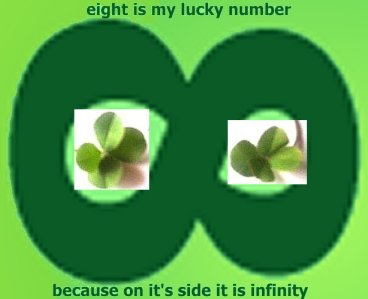
8 is my lucky number because it stands for infinity when it lies down.

Meditation is a wonderful tool for so many things 

You can get our meditation guide here www.radiance-solutions.co.uk/essenceguides.htm

let your mind be free

and have fun


x

Absolution from Absolutes – and the Cycle of Change

Standard

There are no absolutes in the world, not really, so don’t expect too much from yourself, anyone else, or anything – but please don’t get cynical or judgemental either.

Just keep trying to be who you want to be – but don’t be uptight about it – try to relax into it.  Be ready to forgive yourself and others for not being perfect – just try to view ‘mistakes’ or unexpected events as an opportunity to learn.

You can ask yourself and others to do things, or behave in certain ways, and you may plan as clearly and carefully as possible, but we can all only do our best as fallible human beings, each with our own limited knowledge and experience.  So life tends to be full of  setbacks and misunderstandings, but we can ultimately overcome these.

Don’t worry about it – as worry is just a waste of energy.  Just quietly develop your plans.  Choose to take the power into your own hands and choose who or what it is you want to be or do – and plan how to achieve it.

lifebydesignlogo

A life coach can help to advise you, but he or she is just there to help you make realistic and achievable goals that work for you and what you wish to achieve – the ultimate responsibility still lies with yourself.  They help you plan in measurable and timely steps or stages – along with planning for the necessary support, rewards, etc, and they can also help with advice such as how to discuss things with others.

If you are not sure what you want, then a good coach can also help you work this out.  Try listing possibilities, and scoring them according to how you feel about each.  Don’t be blocked by how difficult anything might seem, just be guided by how interested you are in doing it.  If needed, a coach (or counsellor) can also chat with you to tease out what you think any issues might be and help look at them with a different perspective.

You also have the power to help others plan their achievements – see the positives in them and try to express gladness to encourage them with their progress.  This might apply to a friend, or even to a person doing some work for you.  Your support can make it easier for them to get results.  If you greet a workman by telling him you are impressed with his timing, for example, and offering him a hot drink, then he will be inclined to work well for you, and you will both be pleased.

True friends (hopefully including your close family) are people who help their friends to be who they truly are, and will remind them if they deviate from that or act out of character.  They will also support them in their efforts to achieve any change or goals, so they would for example not smoke in front of them if they are in the process of giving up, or not insist on buying them a drink if they are driving, and they would understand and give them space if they needed to study for example instead of going out with them quite so often.  Someone might even offer to take on a task such as babysitting to enable you to do what you need to do.

Don’t be afraid to ask people to listen to your point of view, or to consider your needs and feelings.  If you are able to explain then there is every chance they will be helpful.

If you have a particular thing you wish to discuss, it is best to ask to set some time aside for this rather than just randomly try to throw it into a conversation.

Don’t be afraid to try new things – say yes if an interesting opportunity arises – and then take the time to plan.  Anyone can learn new skills, reach new targets, or have an adventure, if they are prepared to try.

Change could be in any area including: communication, habits or patterns of behaviour,  financial or economical, career or work-life balance, a move, relationships, fitness, health, taking up a hobby, further study, etc.

Live on Purpose.  Change is natural, there is no need to fear it, just give yourself the tools to enable the change to happen as you would wish it.

Don’t be tempted to give up if there is a setback or relapse – the cycle of change allows for this – the thing is to recognise this for what it is and just get back on the wheel.

You need to be aware that it is normal to start going well, with all the initial motivation kicking in, and then you may get a bit disheartened when you run out of initial puff, so this is the time to really be prepared – have something else in place to see you through this tough stage – like a friend to come round and help out or just chat, or go out for a meal, or take a break (such as a weekend away) to renew yourself and build up more energy, or search for new inspiration. You could even do something nice for someone else to help boost your self esteem.

Don’t allow yourself to keep flopping out in the same place – you must figure out how to get past each stage, and you will be rewarded with your own delicious sense of success

OUR LIFE COACHING PACK
All 3 of my Achievable Goal Planning Sections in one bundle – How to Maximise Success, Help to Decide, and all FORMS to assist you
1 – How to HELP yourself DECIDE WHAT you really want to do.

Help with deciding on your goals in the first place. It’s best to get really clear before you begin the planning stage so that you don’t waste time and effort. For example, you could be trying to decide which course to study, what to do as a career (or change of career), or for a hobby etc, but you can also apply it to any decision you are not sure about (like moving home, ending a relationships, travelling etc). We do sometimes subconsciously block our own progress, particularly if we are not sure what we want, or if we don’t have enough self esteem or confidence in ourselves.
2 – HOW TO develop achievable Goal Plans, and put realistic Timescales, Support, and Rewards in place TO MAXIMISE SUCCESS
Includes details of what to think about before starting your plan. Includes details of how to prepare plans successfully by avoiding certain pitfalls.  Includes details of how to keep motivated and communicate your needs to rally support.
3 – Goal Setting FORMS
Includes blank form for your use, plus a tutor form with guidelines on, plus several examples.
Examples include: 1) paying off debts, 2) losing weight & getting fit alongside study times, job, and committee obligations,  3) planning workshops with all the admin etc included, and 4) Improving Belief in Self as Parent and as having Valuable Skills & a Right to a Career of Own Choosing.

http://www.radiance-solutions.co.uk/essenceguides.htm

LUCKYCLOVER4

.

CHOICES from Childhood through Maturity to Old Age

Standard

radsolpurple

When we are very young we do not have a lot of choices because parents, teachers, etc tend to tell us what to do. We need guidance as we mature, and gradually we are given more choices.

Growing up can sometimes feel hard. often perhaps because we are not yet ready for the sense of responsibility that comes with making choices. Perhaps also we do not feel we have been given enough background knowledge to enable us to make good choices. We could arguably always feel short of confidence due to this, but there is no complete answer to getting this right, one just has to start finding out for ones self somewhere along the line. We have to accept that even making choices that turn out to be mistakes are still part of our learning and maturing. We can get help from researching information, talking to friends, counsellors even, but at the end of the day the time comes for us to make our choices for ourselves, without anyone telling us what to do any more.

We often forget that it might not matter very much if some of our choices are ’wrong’, in fact they might not be ’wrong’ in actuality, but have given us the opportunity to try something out and learn from it.

We tend to beat ourselves up if we make mistakes, but everyone makes mistakes! If we judge ourselves harshly, does this mean that we also treat our family and friends this way? If we pour scorn on others, they will tend to walk away, so why pour scorn on yourself – you have to live with yourself – so try to be understanding of your own ways.

Often there is no blindingly obvious ’right’ or ’wrong’ choice – we may have to try out the options anyway, and be patient with ourselves. This is just all part of life, maturing further. We never stop learning really.

If you feel stuck in a place and a job you are not that happy with, then the worst thing you can do is dwell on thoughts about how unhappy you are. One thing is for certain, the more you tell yourself you are unhappy, the more you will be! The best thing to do is to focus on the positives – for example – the area is cheap to live in and the job pays well, therefore you can save a lot for whatever you might want to do next.

So, this means you are making a choice. You have decided to be there and do this job for the meantime at least, and you can review this choice any time you want to see if it is still the best choice for that time. You have identified why it is the best choice for now, so now you can focus on trying to decide what exactly it might be that you want to do next. Again, internet research, talking to people, etc, can provoke ideas. Surely it is better to stick something out until you know what you want to do next, rather than just drift off, or walk away in anger, with no options in place?

There is no need to be manic about trying to find answers, sometimes it takes time. Meanwhile, we can also find hobbies that help keep us interested, stimulated, active, etc. We can look at our diets too and ensure that we are well balanced and healthy – obtaining all the vitamins and minerals we need to keep us optimally functioning. A lack of something can cause all sorts of issues, often including physical and mental lethargy. It is harder to get everything we need these days from a simple diet as our soil has become depleted and our environment polluted, so sometimes we need to keep topped up, and we also need to keep well hydrated so that our bodies can detoxify properly.

Being able to turn something around from feeling stuck in negative reactive thinking about your situation, to the fact that you have made certain choices and why, is very empowering.

Once you feel better about yourself, you will be more able to see the path ahead, and plan positively for it. You may not be so sure that what you studied at uni, for example, is the line you want to go on working in, but perhaps there is a path slightly off centre to that which would suit you. Perhaps you know somewhere deep down that all your received teaching is not necessarily one hundred percent correct, so perhaps you might want to investigate the anomalies further? Perhaps your role in life is to shed new light on a topic. You don’t have to stop doing research just because you finished uni – one’s whole life could be regarded as research if you want – research, then experimenting via experience, then further development from what you learn.

You can share things you discover, or even just think about, via all sorts of media, publications, talks, through writing songs, just networking. There is a whole world of people out there interested in listening.

Curiosity is one of man’s greatest instincts. Many other instincts underpin our survival, but curiosity spurs evolution. Without it we become stagnant, like a blocked stream. But with it, we are able to keep moving, have the energy to consider change, be alive to our choices.

Awareness and intention are both necessary to enable us to understand our situation and then formulate what our choices might be, and the reasoning behind them. This means that we do have to think about our situation, but we must not allow ourselves to dwell on it in a negative way as this produces a downward spiral. We need to be a little detached if we can, try to look at it logically rather than too emotionally. If we pretend we are looking at someone else’s life perhaps, this should reduce the emotional content. However, when looking at possible new choices, we need to have the emotion back in. We need to know what excites us, what feels like a poor option, what seems logical yet is not inspiring enough, what feels intuitively right. (You can do this by writing things into columns, scoring things, drawing brain storming diagrams, etc. You can do it alone, or you can do it with friends.)

If you still feel stuck then you probably need a boost – maybe it’s a shortage of some mineral, maybe you need a holiday in the sun, or some work experience of a different nature in your ’spare’ time. Maybe you need to travel and discover some totally different place, with different perspectives on life, to reawaken your sense of adventure.

In the prime of your life you should have the energy to follow your inspiration, and even to find that inspiration again if it has become lost somewhere – under a pile of old books perhaps, or under your desk or carpet at work, or perhaps you chucked it out by mistake along with an old relationship. Claim it back, it’s yours! No amount of disappointment should douse its flames. Let go of the other stuff you don’t need – any sourness or guilt about an old relationship, or a job, or family issues – and reclaim what you do need in order to move on. Forgive past stuff and let it go, holding onto it only hurts you. Forgive others, but also forgive yourself. Be grateful for what good you did get out of it, even if it was just a lesson, and then turn your face forwards and head on up the road. Now be grateful for the things you do have right now, and the chance to move towards fresh choices.

You are a unique being come here to live on earth. Find out what it is you really want to do and journey onwards. Remember that our earth is here to support you in many ways – keep grounded and balanced by connecting with it, and try not to harm it. Remember the universe is there to support you too, reflecting the fullness of your true being, and deepening your sense of knowing who you are. Being in touch with the world around you helps keep you steady as well as aware. Use your intuition to filter the stream of information. so that what you glean is knowledge that is right for you, rather than just swallowing whatever you are fed. Always remember that you have the power to choose.

Having a family is a very big choice to make, and too often we just fall into it without the committment that it takes. It is your choice of course to take the proper precautions until you feel you are both ready.

As always we have to realise that choices we make on behalf of our children will not necessarily always be ’right’, we can only try our best. It is better to have some experience of the world first, try out a few things, so that we have got to a place of some balance within ourselves.

Even so, there is so much room for misunderstanding in a relationship, especially one that is focused on the kids. We have to not blame each other for stuff, choices we made along the way, and try to understand and respect each other’s points of view. People often feel trapped by commitment, but often it is not the relationship itself, but outside things like having to move country, not being able to give up your job because of having to provide security for the family, etc. It may be more constrained, but there are always still choices, you just have to discuss stuff properly as friends, and work primarily as a team. It is important to be honest about how you feel, but fair, taking into account also how the other feels. As ever you should try to focus on the good things instead of the negatives, find the things to be grateful for, especially in each other.

It is very sad sometimes that the best choice seems to be to split up again, but that is still better than suffocating each other slowly if you have grown too far apart to resolve things. If you love (or have loved) someone, you would surely prefer to set them free than to go on being a cause (or perceived cause) of hurt to them. It is no good clinging together because of fear of how you will manage, as that will only end up causing more resentment. Once you know you have to make the choice, you will find ways to manage.

As we become older we are hopefully even less tied to the world out there in some ways. We may be able to be more free in our choice of what we do for example. If we are lucky, we may not need to put up with other people telling us what to do too much anymore. We may have more time to talk with people, to find out details about things, such as how the world really works, and we may have more time to share what we have learned. We can be more detached from what goes on, so we can see the bigger picture more easily.

We don’t have dependents anymore, so we have less to lose, thus fear is less likely to stop us from saying what we think and doing what we see fit to do, although obviously we won’t get too cranky. We can choose to accept people and situations for what they are, or we can still choose to make changes. Either way, by this time we figure that we must be about as informed and experienced as we are likely to be, so we accept full responsibility for our choices, and consequently tend to be more at peace.

Imagine6

Don’t allow Depression to subdue your Personal Power

Standard

You are a unique being, here on earth to experience life.  It is up to you what you make of
that life.  If you find a way to be your true self then that will give you a deep sense of
personal power.  There are many things you might like to find out about to help you
achieve this, so plenty to keep you busy!

If depression is getting in the way, don’t despair, there are many things you can do to
take back control.  It isn’t all about medication and counselling, although it is of course
always highly recommended to see your doctor and discuss options.  Also bear in mind,
that some people do have misconceptions about counselling – it is not a huge mystery –
it is just a chance to talk with a professionally trained person who is detached from your
situation and can therefore help you obtain a different perspective on it and hopefully
understand better what you might need to do to help yourself move forwards.

You can also look at your lifestyle to ensure you are getting enough sleep, exercise, and a
balanced diet, for starters.  It’s really important to give ourselves the best chance for
recovery by taking care of all aspects of ourselves.

lifebydesignlogo

• Shortage of certain minerals can be linked to depression (look for my article about
this, or use a kinesiologist to test you for shortages).  Basically if you are short of
something (which can easily happen for many reasons) then your body and brain may
not have the right chemical balance to function properly.  So if this is the case, then it
can easily be addressed and will help you enormously.

• Lack of daylight hours or sunlight can also be a cause, and these days you can get
supplements to help with that, or use special lighting to emulate the sunlight.  This
can make a huge difference to your brain function.  Consider this especially if you are
living in more northern latitudes, or if you have moved country.  It can take a lot of
time to adjust to the seasons and ways of a new country anyway.

• Teenagers do need more sleep than adults, but only a bit more, so it’s okay to rest on
weekends for example if you are up early during the week, but don’t get sucked into
sleeping all day as that tends to make things worse.  Try to plan things for yourself to
do and so set times by which you have to be up.  If you have been sleeping too much,
then addressing this by setting some limits and routines can help a lot.  You tend to
feel better about yourself anyway if you are not just lazing around all the time.  I
know it can be hard to be motivated if you are not working for example, but try to
make lists of things you can do, find hobbies, be creative, help others.  There is so
much interesting stuff in the world, and the internet can help us find out about almost
anything, so it seems crazy to allow ourselves to be sucked into games all the time –
try to break any addiction to playing day after day, and to any other addictions that
might have too much power over you.  A life coaching plan can help you approach
this ­ if you want to ask me about this, just email.

• Teenagers also tend to have more difficulty going to sleep if they go to bed too early,
so plan your sleeping hours to suit, but bear in mind that you may have to make
allowances for others in the home, so if you need to negotiate things promise to be
considerate, and that will help.

• Plan what you eat to suit you too, different types of people need different food types,
and also some days we need to eat more than others, so listen to your body’s needs.  I
don’t mean eat chocolate and junk food, I mean healthy things obviously.  But some
people need a lot of protein for example, and some people get most of their vitamins
from fruit, whereas for others it may be better to focus on vegetables.  A lot of people
do not get on well with wheat or dairy products, this does not necessarily mean you
have a huge reaction, it may just mean you feel a bit bloated or full of catarrh.  We all
need a certain amount of carbohydrate, but sometimes we really overdo it.  If there
are a lot of colds going round, it is good to keep strong to fight them off by eating a
bit extra of what seems really good for you, and if you already have a cold, the same
applies.  I tend to want salty things like anchovies, along with salad such as lettuce,
and avocado, and even olives (which I don’t normally like).

• Energy management is something we often forget.  I used to stay up all night painting
when I was first living on my own, and felt great for a bit, but then it caught up with
me, and I was not just tired, but down.  These days I manage my energy better, says
she, now writing this article at 2.30am, but I did get a sleep this­afternoon, honest.  (I
needed the rest then after working in a hospital most of the day.)  Also, sometimes we
have to say no to things or even to visitors so that we can conserve our energy for
something we have to do later for example.

• Drinking enough water helps to move toxins out of your system.  There is no other
drink that works as a substitute for water except herbal teas (not infusions), with no
sugar added.

• Exercise also helps to get rid of toxins, and of course stress too.  You might like to 
consider some of the more unusual things to find something that really works for you.
You might like something that tests particular skills, such as rock climbing, or might
want more overall stretching and balance, like Yoga.  Martial arts are very holistic.
Or perhaps you could help someone elderly or unwell by taking their dog for a walk?

• If you are putting too much stress on your body with drink and smoking or other
substances, then perhaps you can find help to reduce that, as they will take their toll.
Mineral imbalance can be a factor in addiction too (refer to my first point).

• If you still need help with depression, then yes, a counsellor can help, but be sure to
choose one that is not going to dwell on negative stuff for too long.  They do need to
get a proper understanding of your situation, which includes looking at all the things
that might be challenging you, but then they should help you to move forwards
positively.  If things aren’t going the way you think they should, then do say so.
Any professional should be willing and able to change their approach if needed.
If not, then change your professional.  This is your life, it is too important to just let
things ride.

• Sometimes a life coach may be more help to look at forward planning to achieve
goals.  I can send you planning sheets and guidance notes by email if you request
them, and let me know what you are aiming to achieve.

• If you are not sure what you want to do with life yet, or have become confused or
diverted, then I have a method that can help you intuitively tap your subconscious to
discover your true interests, so contact me by email to ask me to send you my
instructions for doing this.  I have even helped mothers decide what they want to do
when their kids have grown up, as this can sometimes seem like an empty time.

• Or you might benefit from more therapeutic help, such as healing sessions.  You can
find pretty much anything you need via the internet.

• We all need to find a balance of mind, body, and spirit, to be complete in ourselves,
so you may be seeking answers for spiritual questions, to help you make sense of life.
(If this is the case, then do take a look at some of my spiritual and nature related
articles.  They might help open up a whole new perspective.)

• There are many tools like meditation which can really help you find the balance to
cope with life.  In fact they can be fully integrated with your life.

• Communication can be an issue for anyone, and I have written about that too, from
the perspectives of parents, children, young people, adults, friends, partners, and work
situations – so I hope that some of this might be of help.

• If your depression or emotions make you feel as if you can’t talk to anyone, then
often writing can be an alternative, whether it be letters, poems, songs, or anything
else.  This tends to release the emotions, and you can end up seeing things a bit more
clearly then too.  You can even write really nasty things and then just throw them
away afterwards, but it allows you to vent about how you really feel without hurting
others.  I tend to only publish positive stuff, but I do also write dark stuff just to work
those things through.  Everyone has dark times, it’s just how we deal with them that
matters.  I used to have 3 days in a cycle of every few months or so (and still do
sometimes, especially in winter) where everything just seemed to be wrong, and
nothing seemed to help, but I knew it would only be those 3 says, so I would just keep
myself to myself and write rubbish until it worked itself through.  This could have
been hormonal, as I recognised that I often had 3 day migraine periods on the other
months, and just had to accept that I needed to take tablets for those 3 days to enable
me to carry on with normal life.  Writing also formulates your ideas better so that you
can communicate them to others, or so that you can plan what you want to do next.
If you feel confused about a situation or your emotions, it really can help a lot to just
write everything down, and in time you will tend to formulate an idea of which bits
really matter and which don’t, and what you could maybe do about the ones that do.

• There may also be other forms of creative output that will help ease your pain,
anything from woodwork to pottery to painting to needlework to gardening, to
making music….. you name it really.  Most people benefit from having a hobby –
it tends to bring some balance to things like having to go out to work every day or
having to be around to care for someone else, for example.

pansysun3

If your family or colleagues do not seem to respect your views and feelings, then you
must ask for that respect, and ask for opportunities to make your input.  They are
probably not doing it deliberately, nor realising how you feel.  Even if you don’t know
what you want to say yet, that opportunity should be created, and then you will be more
likely to develop ideas to express, particularly as you hear others doing so, or in response
to certain topics.  It might be nice to start with debates on topics that having nothing to do
with your personal situation but that you have an interest in, for example current issues in
your locality, or at work.  Everyone should be allowed to introduce topics, kind of like
making an agenda.

If you find you need to look further afield to find someone to talk to, then do so, perhaps
a grandparent, a friend’s father, someone you hardly know but seem to ‘click’ with, or a
special interest group.  Don’t expect those closest to you to necessarily have the skills to
be everything for you.  We all have certain strengths and weaknesses, no one can do
everything well.  Parents do not receive training to be parents although it is the most
important thing in the world!  They just have to try to make the best of it according to
instinct, and what they can find out.  Often they would be only too glad to help do things
differently if only they knew how, so asking to talk to try to gain mutual understanding
could be a huge relief to them.  Ask everyone to plan to set aside time to both speak and
listen.  It could help to make some notes about what you want to say, to help with clarity,
and prompt memory.  We all need to take responsibility for our communication, as well
as for our actions.  Perhaps as we learn more, we might even be able to help someone
else, or help the human race by finding ways of doing things a bit better in future.

You might think you are different from others, and indeed you are, but only to a certain
extent (as we are all unique, and yet we all belong to the human race).  You might be
surprised to find that a lot of other people might think more like you than you imagined.
It is quite normal for a young person starting out in an adult world to feel a bit out of
place – there is so much to learn about and deal with for a start.  Indeed anyone can
suddenly find themselves struggling in this way.  We might have been caught up in things
and not thinking much about the meaning of stuff, and then suddenly start to question.

There is so much noise and bustle, and emphasis put on artificial and/or superficial
things.  A lot of things don’t seem to make sense, including people’s behaviour.  You
might think that we have got ourselves in an awful mess, but then again, if you take a
look at history you can see that we have done it before and then sorted things out again
somehow.  There are lots of good things too, so we can try to focus on these while we try
to figure out the rest.  We need variation and contrast in the world otherwise we would
not be able to appreciate the good stuff as everything would just be the same – boring.
Always cut yourself some slack.  If you are impatient with others around you then
chances are that you are impatient with yourself too.  Stop expecting so much from
everyone, including yourself – we are just humans trying to bumble along, some being
lucky enough to have more in their favour perhaps, but everyone has something to bring
to the table, so do try not to judge.

I know it is easier said than done when you are depressed, but try to find ways to focus on
the positive.  Turn your thoughts away from criticising others and things around you by
simply thinking about better things.  You can use affirmations in many ways.

• First thing in the morning and/or last thing at night, you could just remind yourself of
a couple of things to be grateful for – such as good weather, loving husband, helpful
teenagers, wonderful children, our good health, our job, our good looks, our specialist
skills,, etc etc.

• Anytime at all you could use affirmations to boost your own self esteem – just say
them calmly to yourself several times, for several days in a row, until you start to feel
they are true.  Here are a few ideas, breathe deeply and try to FEEL them to be true.
”I am loved” (this could mean by family, partner, friends, God, or the universe, etc)
”I love”  (this could be anything such as the above, or such as hugs, food, books,
music, walks, swimming, flowers, trees, cats, sunshine, rain, whatever you can think
of.  Try writing down a list, and add to it every day.  Draw too if you feel so inclined.
”I am lucky enough to be able to ……..” (list your skills here, and also everyday
things such as cook, drive, read and write, etc… anything that lets you go about your
life in both normal and special or unique ways.).  These are also nice to do while you
are walking along, and you can add things you see around you – perhaps the bird
singing in the hedge, the blossom, the sun.

• And here are some more:

I release past fears and resentments / I am open to receive. / Life is a miraculous
gift! / I am here to learn, grow, and have fun. / I am responsible for creating my own
happiness. / I deserve to take good care of myself. / I nurture my body and feed my
soul. / I make the time to be still, and listen to the truth. / Talking it out – heals /
I express myself clearly and positively. / I forgive others and myself, and let pain go. /
I am becoming more and more of who I can be. / I am ready to move forwards.

• Affirmations must be in the present tense to be effective – not some vague distant
future thing.

• There are also a lot of inspiring quotations out there – I have an inspiration page on
my website, which I regularly add to.  I also include some in my books.

Do remember that is normal for people to feel down at least some of the time, just some
people hide it better or deal with it differently perhaps.  I tend to think it is people who
think more deeply about life who struggle a bit more with it, perhaps because a night’s
partying doesn’t switch it off – it is not really the answer because it all seems a bit
shallow to you.

Please don’t feel bad about yourself because of it, as obviously that would make it worse
– just try to recognise the patterns and find the best ways for your unique self to deal with
it.  Try to look for things you can learn from difficult situations or emotions instead of
trying to dismiss them.  Allow yourself time to work things through instead of expecting
to be unrealistically ‘normal’ all the time – just ensure that you put a limit on how long
you dwell on stuff – you must move beyond it at some point – and if you let yourself
work it through fully instead of trying to ignore it, then you are more likely to do this.
Observe yourself and notice the patterns – then use your self ­management skills – for
example you might say, okay so this weekend I am going to just set time aside of myself
to work this situation over, and I’ll be okay by Sunday dinner time and go out for a really
nice meal (as a reward).  If you need an extra day, then take Monday off work, but be
sure to return Tuesday, don’t allow this to drift.  This is how you take back control, and
earn your own self ­respect, which is much more important than other people’s respect.
However, you do also earn other people’s respect when you take control – step back
when you need to, instead of trying to be sociable – even ask people to give you a bit of
space instead of coming round – knowing that you will be better company later on when
you are ready ­ and be open, explain to them why instead of letting them feel rejected.
Your true friends will understand, and will also feel good if you promise to call on them
if you really need to, otherwise that you will see them when you are done.  This honesty
lets them see that you are managing the situation logically, and it also sets an example to
give other people the permission to use these skills.

I should say here that it is really important to write things down as you work them
through, rather than just trying to work them out inside your head – because your mind
will tend to just get woolly and run out of steam, whereas writing it down develops
clarity, mostly because there is more of a sequence to it. There are other ways you could
do it of course, such as speaking out loud and making recordings, and listening back, then
recording again.  I can’t say I’ve tried this, but I can imagine I might find myself
laughing at myself after a bit – I must try it!  What I have tried though, is to pretend I am
actually having a conversation with someone, where I am both people, so I change places
and speak for each one – an amazing exercise, as not only do you work through the
situation, but you also get to understand the other point of view a bit, if you don’t just
make a parody of it – but even that would be fun.

Don’t try to speak directly with other people involved in the situation, or actually send
them a letter or email, until you have taken the heat out of your emotions and reached
some clarity about your feelings.  This way you can vent without walking out of or losing
your job, or damaging your relationship (whether partner, colleague, friend, or family).
Obviously, if by the end of it you have boiled it down to a few crucial bits that need
addressing, then you can deal with it appropriately because the exaggerated emotional
response has gone and you can be clear about what you need to do or say.  You should
thus be able to respectfully approach others and explain your viewpoint and ask for what
you need.  If you feel a need to apologise for anything, then that is fine, but don’t be
defensive about it or dismiss the problem that way because it will only arise again, try to
be clear about your viewpoint and what steps you think need taking to remedy the
situation.  As long as you are prepared to listen to other people’s viewpoints as well, then
you should expect people to consider yours.  It is the only way that solutions can ever be
found that work for all parties.  If there are negative things that need to be said, then you
could always soften these by also pointing out any positives – for example, “I really
appreciate that this is a great project, but do I think that we should take a different
approach to how we…….. because I feel ………..” or “I am really grateful that you want
to always do the cooking, but I would really like to sometimes have a turn.  To be honest,
we do have some differences in taste, and it’s only fair that I get to choose what we eat
and prepare it the way I want to sometimes.  Also on the days I cook, perhaps you could
do the dishes, instead of it always being my job – I don’t mind doing chores, but I like a
bit of variation where possible, and I would enjoy the creativity of cooking.”

You cannot progress with life if you don’t deal with the bits that really matter.  If in the
clear light of day you decide you need to make some big changes, then it will also restore
your power to start making your plans gradually.  Even if it is something like moving out
to your own place, or a total change of career, let the power of knowing that you need to
do it guide you so that you feel excited by new possibilities rather than daunted by the
process of getting there.  If you lose steam anywhere along the way, remind yourself that
you are breaking free of a situation that you could have let yourself remain trapped in if
you hadn’t had the strength and insight to realise it, and the courage to do something
about it.

Okay so maybe there are a few ideas here that might help you start to feel more
comfortable with yourself and the world around you, and I can always help you find more
if you would like to contact me.  If we can find our rightful place in the world then we are
likely to be able to banish depression and take back our personal power.  Please do not be
afraid to seek it out.

As Shakespeare wrote “To thine own self be true, and it must follow, as the night the day,
thou canst not then be false to any man.”

Good luck!

**************************************************************

Bundle of 2 MEDITATION GUIDES is available from our GUIDES page.
Guide 1 – Information / Principles / Energy and Breath / Protection /
Grounding / Safety
12 full pages + 4 pg bonus informative book review.
Guide 2 ­ Practice
23 full pages of techniques & examples to use from simple to advanced.
Includes some meditations for groups and for couples.

*****************************************************************

Bundle of 2 STRESS BUSTING Guides is available from our GUIDES page.
A 40+ page Guide for Stress Busting
from Stress Consultant Julia Woodman
including her TV demonstration script.
plus an additional 20+ pages of guidelines
which she uses for her workshops
with extra ideas and exercises to help you.

and see my other blog here –

Depression, Addiction, and even Weight issues can be linked to Mineral Imbalance
for some ideas about how body chemistry might be affecting you
(including cell function, hydration, detoxification)

lovepages1crop2a